
Program LEADER
The Development Strategies of Local Participatory put the focus on local communities, their neighbors, businesses, associations and institutions. They decide the design and management of local development policies.
To develop the EDLP, Cederna Garalur performs a territorial diagnosis. This approach to the realities county is proven in a broad participatory process with those who live and work in our territory. This phase is key to guide us in the planning of projects and actions that contribute to improving the quality of life of our neighbors, strengthen the business and to strengthen public services. All this is embodied in a plan of action.
To implement the EDLP, the Association Cederna Garalur signed a collaboration agreement with the Government of Navarre. In this way, the EDLP is funded by the Government of Navarra and the EAFRD funds of the EU, through the Rural Development Programme PEPAC 2023-2027.
Each year, the EDLP opens a call for the funding of territorial projects, public or private.
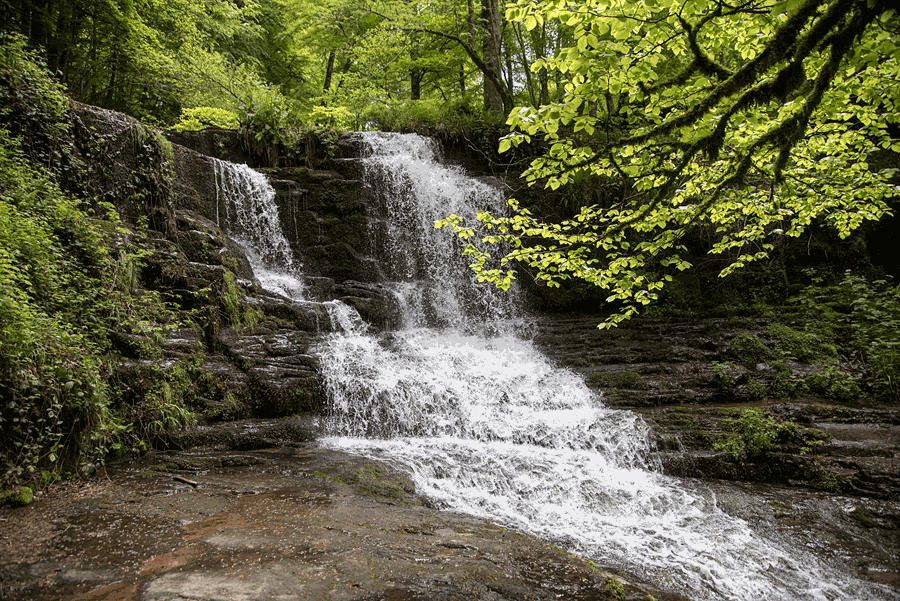
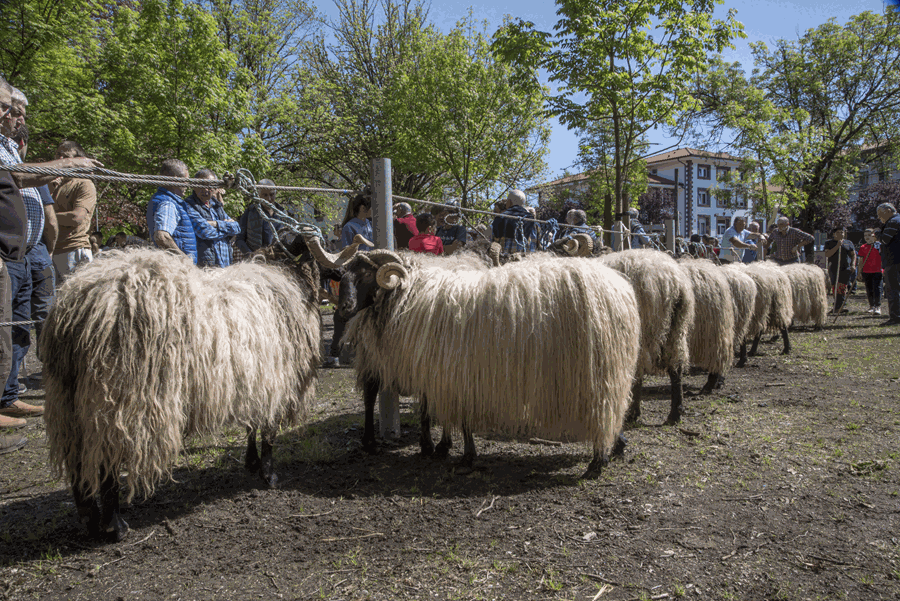
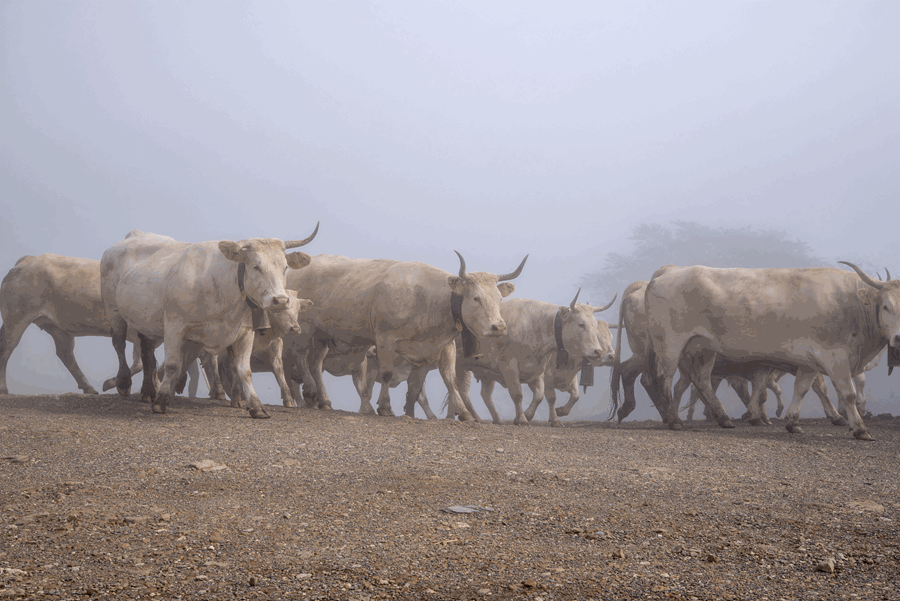
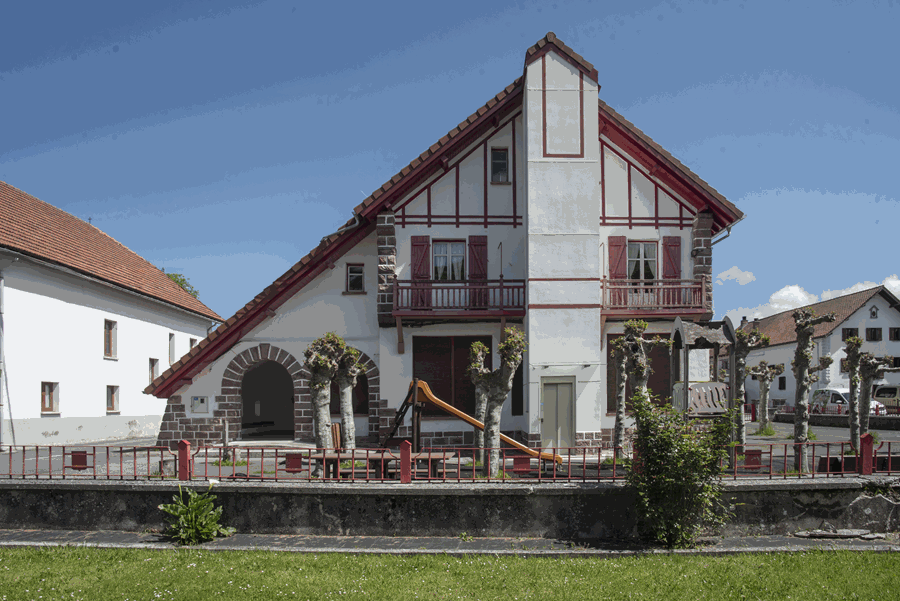
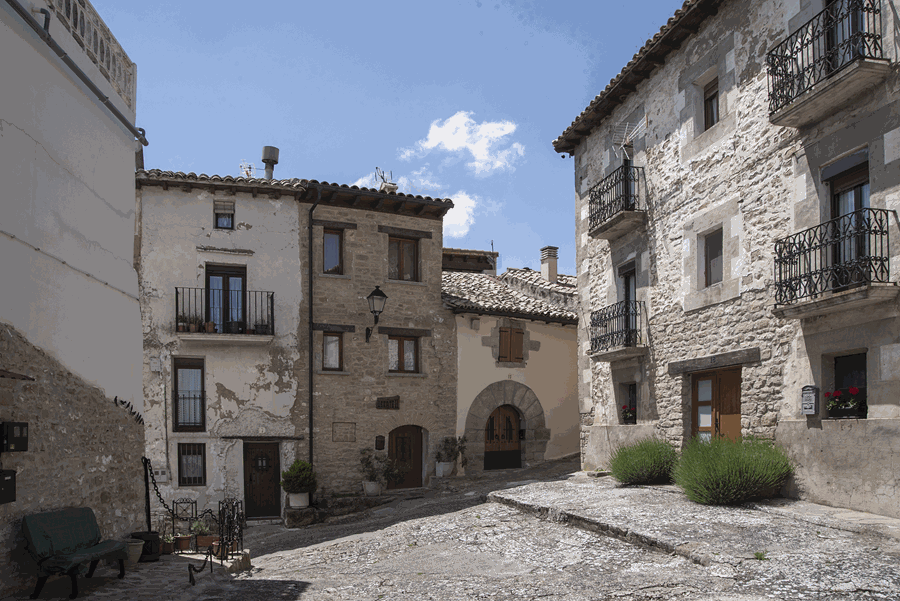
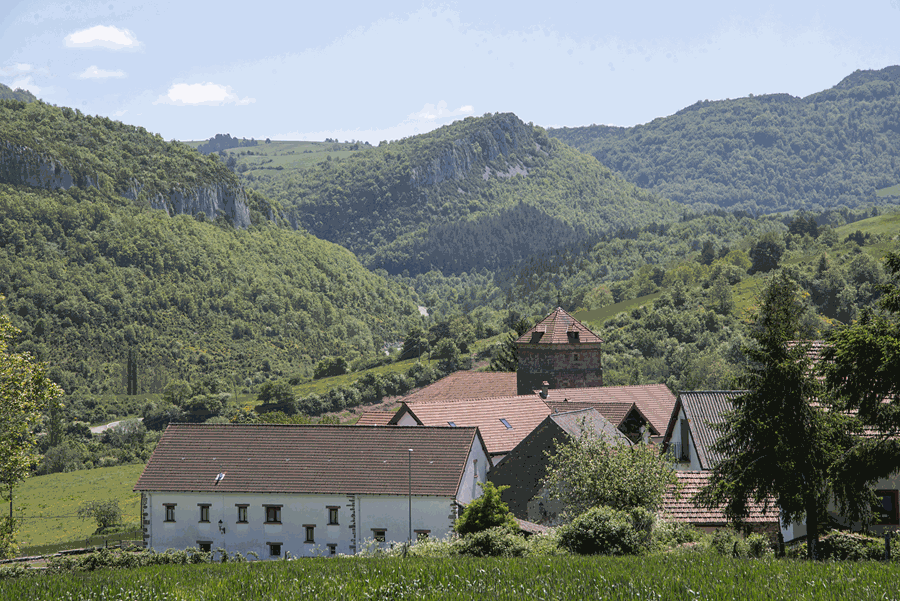
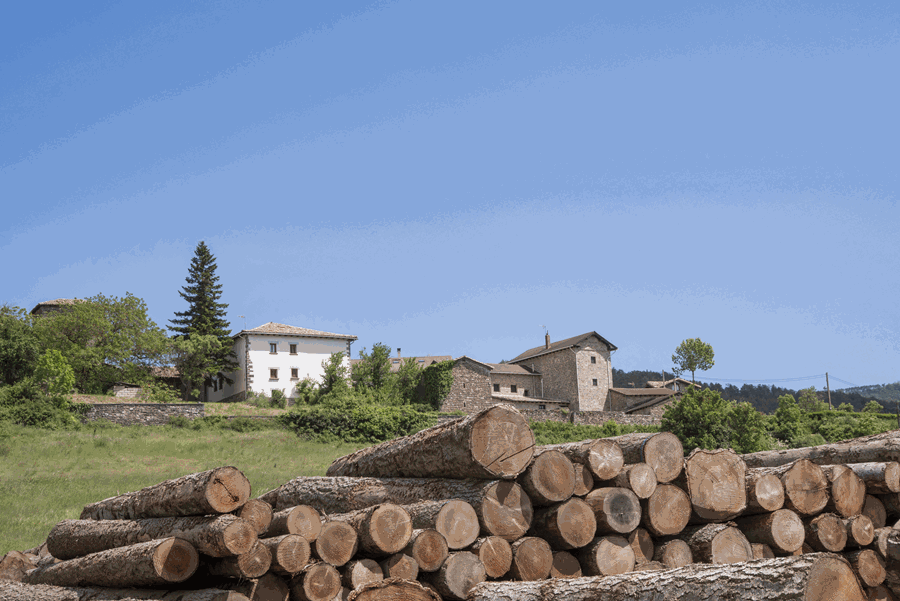
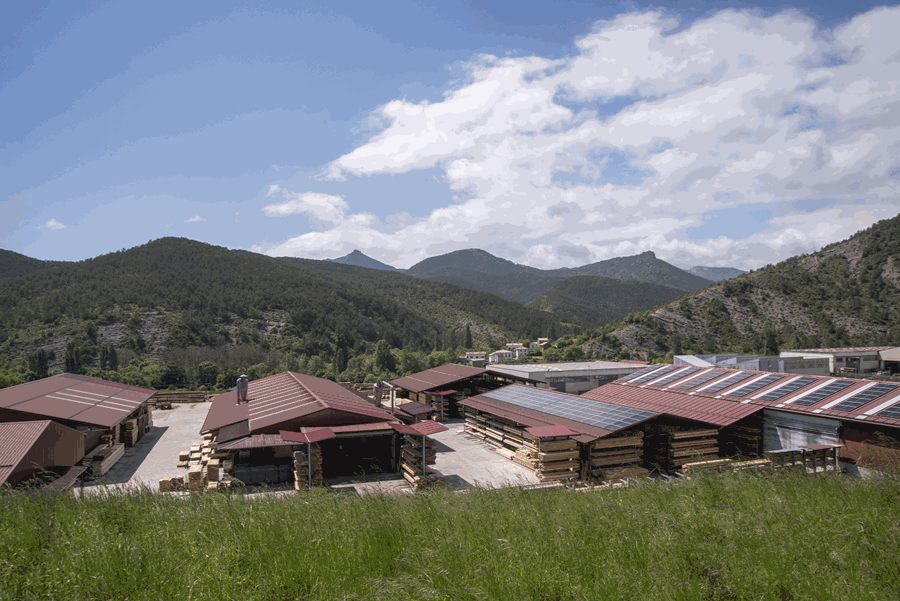
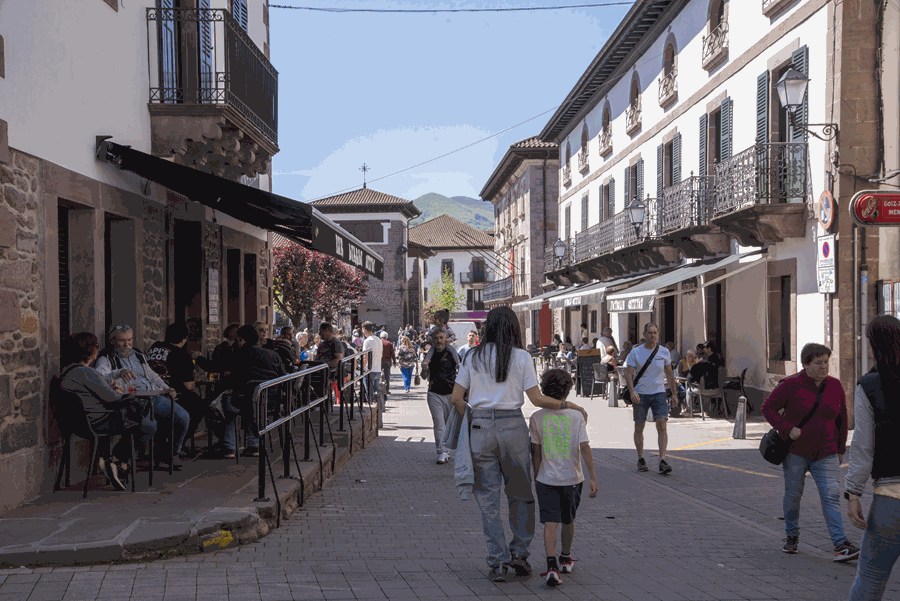
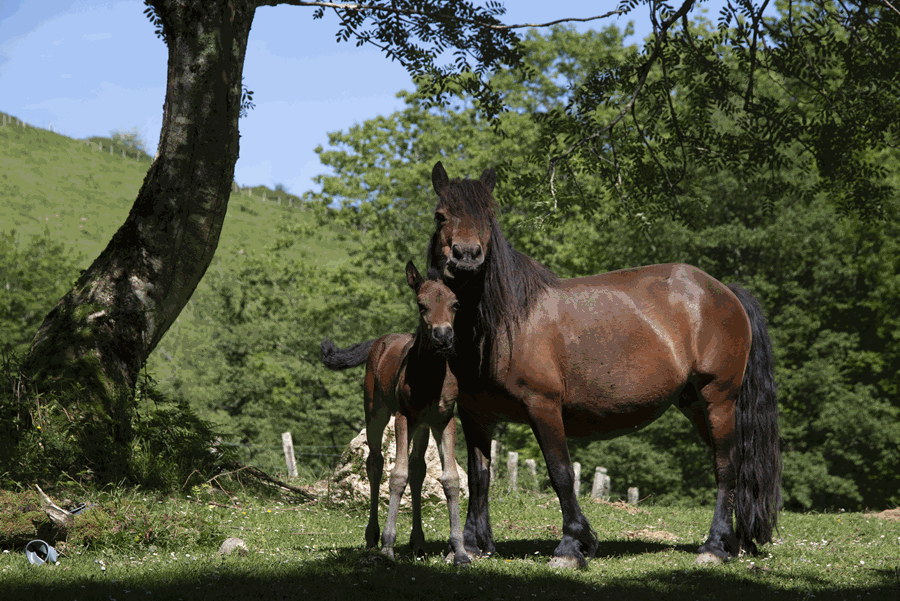
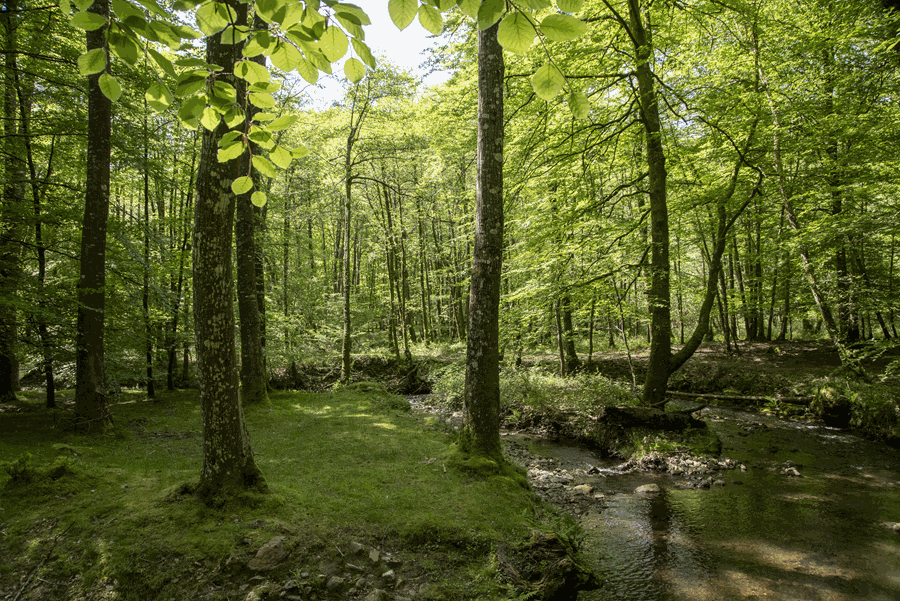
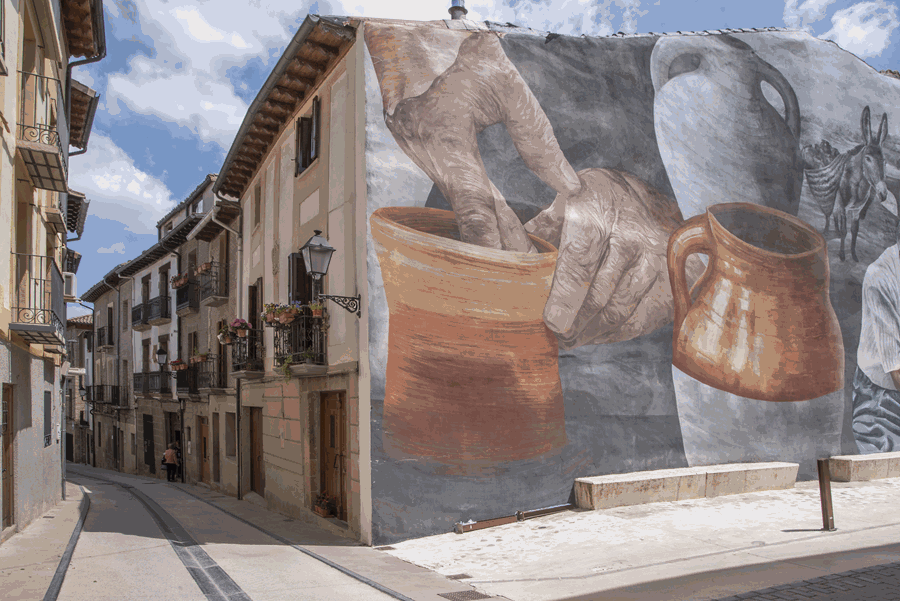
Your project helps to build the Mountains of Navarre.
If you want to know more, ask our development agencies or follow us on our social networks!

To find out more
The EDLP Cederna Garalur 2023-2027 has an endowment financial 7.2 M€, funded by 45% by the Department of Rural Development, Government of Navarre, and 55% for the EAFRD funds of the European Union.
The objectives of the EDLP 2014-2020 are:
- The creation of employmentin the traditional sectors such as agriculture, ranching, or forestry, as well as the support entrepreneurship and SMES for the diversification of its activity, through training and innovation.
- The efficient use of natural resources, through the recovery, maintenance, preservation and enhancement, and sustainable use of the historical-artistic heritage, cultural, architectural, and environmental of the Mountains of Navarre.
- The improvement of public services and the quality of life of the population, with special attention to the most disadvantaged groups or at risk of exclusion.
These three objectives are developed through 61 measures grouped in 4 areas of action:
- Creation and consolidation of the employment and economic activity.
- Efficient use of natural resources.
- Cultural heritage, historical, architectural and environmental.
- Improvement of the servciiso public, gender equality and social inclusion.
- Promoting the development and sustainability of the agri-food sector.
- Promotion of sustainable tourism, the local business and the hospitality industry.
- Momentum business development, economic infrastructure, local employment, and entrepreneurship.
- Boost the use of natural resources for the transition towards renewable energies.
- Management and utilization of the natural resources of the territory.
- Heritage environment.
- Valorisation of the territory and its culture.
- To facilitate mobility.
- Accessibility to housing.
- Momentum of infrastructure and public services.
- Promoting the social inclusion of vulnerable groups, and gender equality.
- they Consist of investment and/or production of goods or services whose main objective is the economic activity.
- Can be: companies formed by one or more individuals; corporations, agricultural transformation societies, cooperatives, corporations, labor, as well as other companies with legal personality recognised: foundations, associations, consortia, and trade unions.
- Consist of investment and/or production of goods and services that do not, in themselves, constitute an activity with a direct economic benefit.
- May occur: individuals, local public entities, as well as other companies with legal personality recognised: foundations, associations, consortia, and trade unions.
- For productive projects, the 30% of the amount (suvbvencionable), with a maximum amount of $ 50,000 to pay
- For projects not productive, 70% of the amount eligible, with a maximum amount of 50,000€.